American writer and lecturer (1888-1955)
Dale Carnegie
Dale Carnegie was an American writer and teacher of courses in self-improvement, salesmanship, corporate training, public speaking, and interpersonal skills.
By globalcelebwiki Editorial Desk, adapted from Wikipedia · Published 29 September 2026
- Profession
- American writer and lecturer (1888-1955)
- Born
- 24 November 1888
- Birthplace
- Maryville
- Nationality
- American

Overview
Dale Carnegie ( KAR-nig-ee; spelled Carnagey until c. 1922; November 24, 1888 – November 1, 1955) was an American writer and teacher of courses in self-improvement, salesmanship, corporate training, public speaking, and interpersonal skills. Born into poverty on a farm in Missouri, he was the author of How to Win Friends and Influence People (1936), a bestseller that remains popular today. He also wrote How to Stop Worrying and Start Living (1948), Lincoln the Unknown (1932), and several other books.
One of the core ideas in his books is that it is possible to change other people's behavior by changing one's behavior towards them.
Biography
Dale Carnegie was born November 24, 1888, on a farm in Maryville, Missouri. He was the second son of farmers Amanda Elizabeth Harbison (1858–1939) and James William Carnagey (1852–1941). Carnegie grew up around Bedison, Missouri, southeast of Maryville and attended rural Rose Hill and Harmony one room schools. Carnegie developed a longstanding friendship with another Maryville author, Homer Croy.
In 1904, at age 16, his family moved to a farm in Warrensburg, Missouri. As a youth, he enjoyed speaking in public and joined his school's debate team. Carnegie said he had to get up at 3 a.m. to feed the pigs and milk his parents' cows before going to school. During high school, he grew interested in the speeches at the various Chautauqua assemblies. He completed his high school education in 1906.
He attended the State Teachers College in Warrensburg, graduating in 1908.
His first job after college was selling correspondence courses to ranchers. He moved on to selling bacon, soap, and lard for Armour & Company. He was successful to the point of making his sales territory of South Omaha, Nebraska, the national leader for the firm.
After saving $200, Dale Carnegie quit sales in 1911 in order to pursue a lifelong dream of becoming a Chautauqua lecturer. He ended up instead attending the American Academy of Dramatic Arts in New York, but found little success as an actor, though it is written that he played the role of Dr. Hartley in a road show of Polly of the Circus. When the production ended, he returned to New York, living at the YMCA on 125th Street. There he got the idea to teach public speaking, and he persuaded the YMCA manager to allow him to instruct a class in return for 80% of the net proceeds. In his first session, he had run out of material. Improvising, he suggested that students speak about "something that made them angry", and discovered that the technique made speakers unafraid to address a public audience. From this 1912 debut, the Dale Carnegie Course evolved. Carnegie had tapped into the average American's desire to have more self-confidence, and by 1914, he was earning $500 (about $16,100 in 2025) every week.
Personal life
His first marriage ended in divorce in August 1931.
On November 5, 1944, he married his former secretary, Dorothy Price Vanderpool (1912–1998), who also had been divorced. Vanderpool had a daughter, Rosemary, from her first marriage. She and Carnegie had a daughter, Donna Dale. Dorothy ran the Carnegie company following Dale's death.
Books
1915: Art of Public Speaking, with Joseph Berg Esenwein.
1920: Public Speaking: the Standard Course of the United Y. M. C. A. Schools.
1926: Public Speaking: a Practical Course for Business Men. Later editions and updates changed the name of the book several times: Public Speaking and Influencing Men in Business (1937 revised), How to Develop Self-Confidence and Influence People by Public Speaking (1956) and Public Speaking for Success (2005).
1934: Little Known Facts About Well Known People.
1936: How to Win Friends and Influence People.
Booklets
(most given out in Dale Carnegie Courses)
1938: How to Get Ahead in the World Today
1936: The Little Golden Book (later renamed The Golden Book, lists basics from HTWFIP and HTSWSL)
1946: How to Put Magic in the Magic Formula
1947: A Quick and Easy Way to Learn to Speak in Public. (later combined as Speak More Effectively, 1979)
Sources and references
Spotted something wrong? Report a correction.
Related profiles
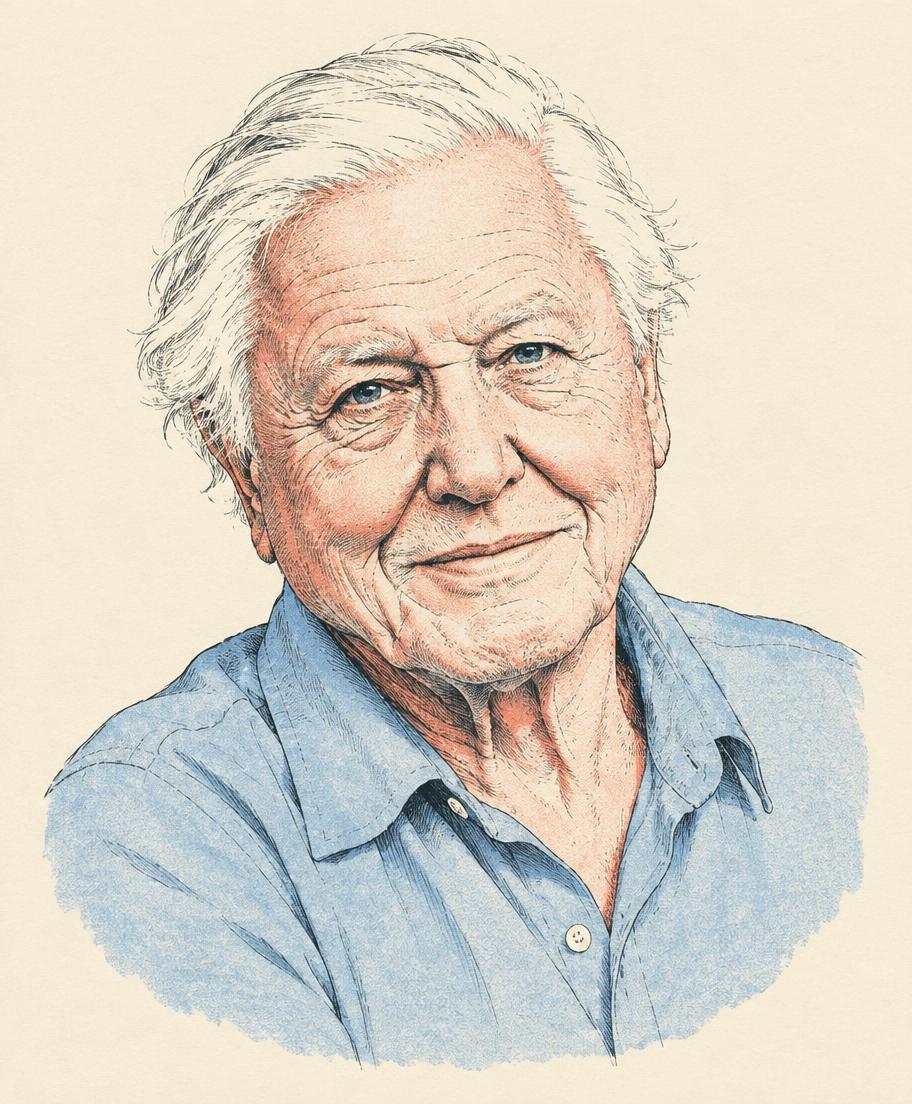
Broadcaster and natural historian
David Attenborough
The broadcaster whose natural history series have shaped how audiences understand life on Earth.
Read biography ↗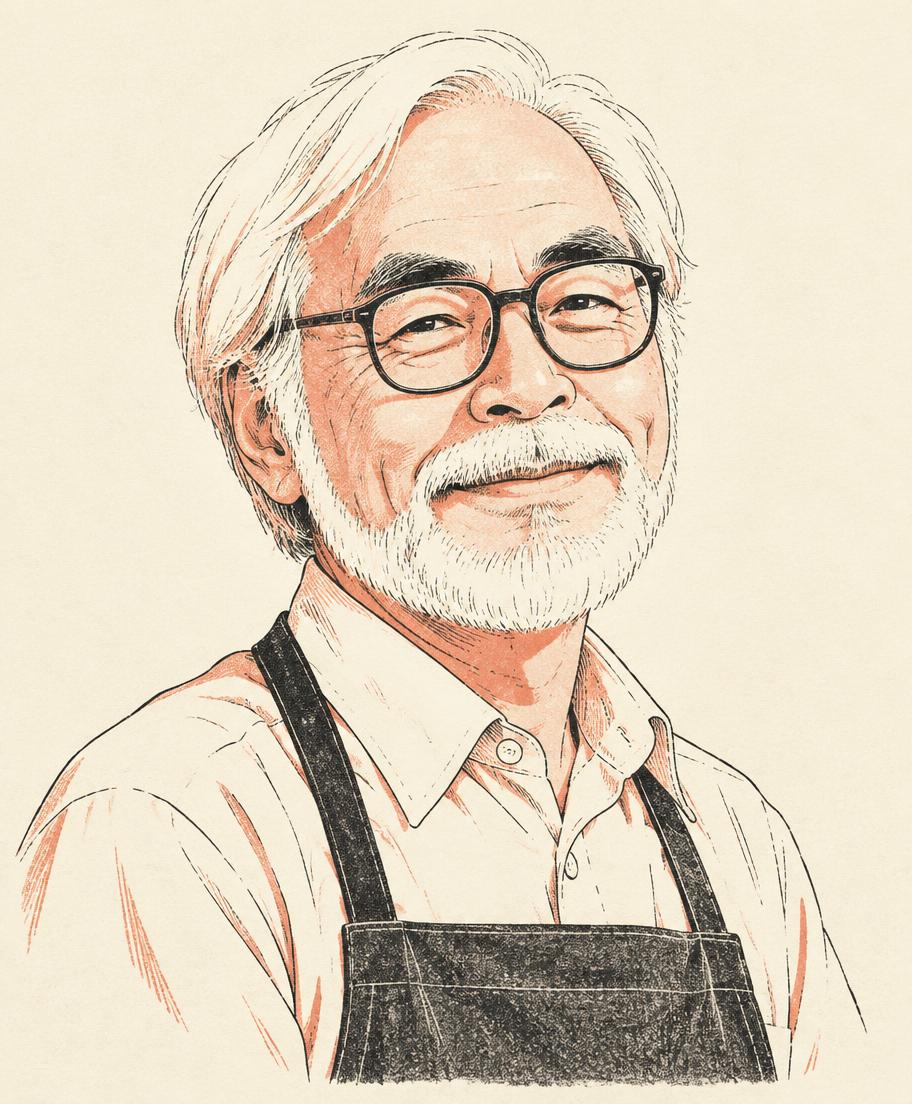
Animator and film director
Hayao Miyazaki
The animator and co-founder of Studio Ghibli whose hand-drawn films reached audiences worldwide.
Read biography ↗
Pope
Benedict I
Pope Benedict I was the bishop of Rome from 2 June 575 to his death on 30 July 579.
Read biography ↗